
Introduction
The digital world is evolving faster than ever. Businesses are no longer relying only on traditional advertising methods to reach their customers. Instead, they are investing in digital platforms, search engines, social media, artificial intelligence and data-driven marketing strategies to grow their brands.
As technology continues to advance, the demand for skilled digital marketing professionals is increasing. From small startups to established companies, businesses need people who understand how to attract audiences, generate leads, increase online visibility and convert visitors into customers.
However, digital marketing in 2026 is not just about posting on Instagram or running advertisements. It requires a combination of creativity, technical knowledge, analytical thinking and strategic planning.
Whether you are a student, job seeker, freelancer, entrepreneur or business owner, learning the right digital marketing skills can open up valuable opportunities.
In this article, we will explore 10 digital marketing skills that are in demand in 2026, why they matter and how you can start developing them.
1. Search Engine Optimization (SEO)
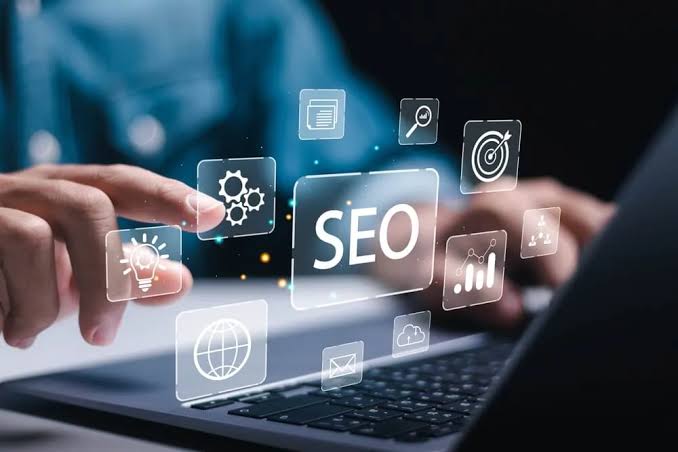
Search Engine Optimization, commonly known as SEO, is one of the most valuable digital marketing skills. It involves optimizing websites and online content to improve their visibility in search engine results.
When people search for products, services or information on Google, they usually click on websites that appear near the top of the results. SEO helps businesses improve their chances of being discovered by potential customers.
Why is SEO important in 2026?
Search engines are continuously evolving. Businesses need to understand search intent, helpful content, technical website performance and the changing ways people discover information online.
SEO helps businesses:
- Improve organic website traffic.
- Increase brand visibility.
- Reach people actively searching for their services.
- Build long-term online credibility.
- Generate potential customers without depending entirely on paid advertisements.
Important SEO skills to learn
- Keyword research and search intent.
- On-page and off-page SEO.
- Technical SEO.
- Link building.
- Website optimization.
- Content optimization.
- Local SEO.
Example: A digital marketing agency offering SEO services can optimize its website for keywords such as “digital marketing agency in Bangalore” to attract people searching for marketing services in that location.
Tools to explore: Google Search Console, Google Analytics 4, Ahrefs, Semrush and Google Keyword Planner.
2. Artificial Intelligence (AI) in Digital Marketing
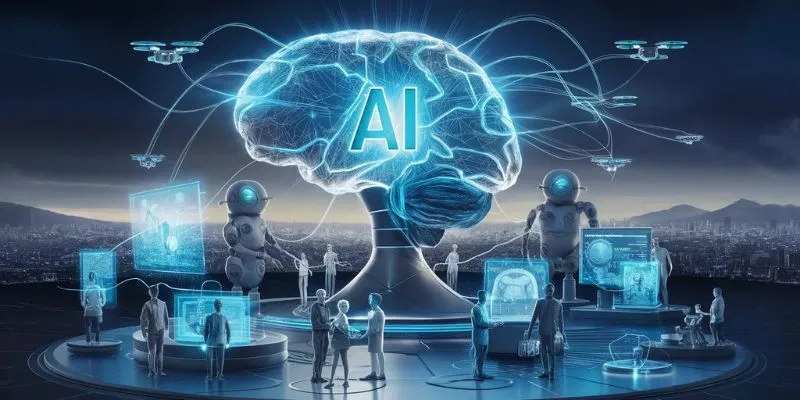
Artificial intelligence has become an important part of modern digital marketing. AI-powered tools help marketers research audiences, generate content ideas, analyze information and automate repetitive tasks.
In 2026, understanding how to use AI effectively is an increasingly valuable professional skill.
AI does not simply make marketing faster. It can also help marketers make more informed decisions when used alongside human creativity and strategic thinking.
How is AI used in digital marketing?
- Generating blog and social media content ideas.
- Creating marketing campaign drafts.
- Researching customer interests.
- Analyzing marketing performance.
- Personalizing customer experiences.
- Automating repetitive marketing activities.
- Supporting keyword and competitor research.
Important AI skills to learn
- Writing effective AI prompts.
- Using AI content-generation tools.
- AI-assisted SEO research.
- Marketing automation.
- AI-powered data analysis.
- Reviewing and improving AI-generated content.
Example: A small business can use ChatGPT to brainstorm 30 days of Instagram content ideas, prepare caption drafts and create a monthly content calendar.
Tools to explore: ChatGPT, Google Gemini, Claude and Canva AI.
Remember, AI-generated content should always be reviewed, fact-checked and improved before publishing. Original insights and human judgment remain essential.
3. Social Media Marketing
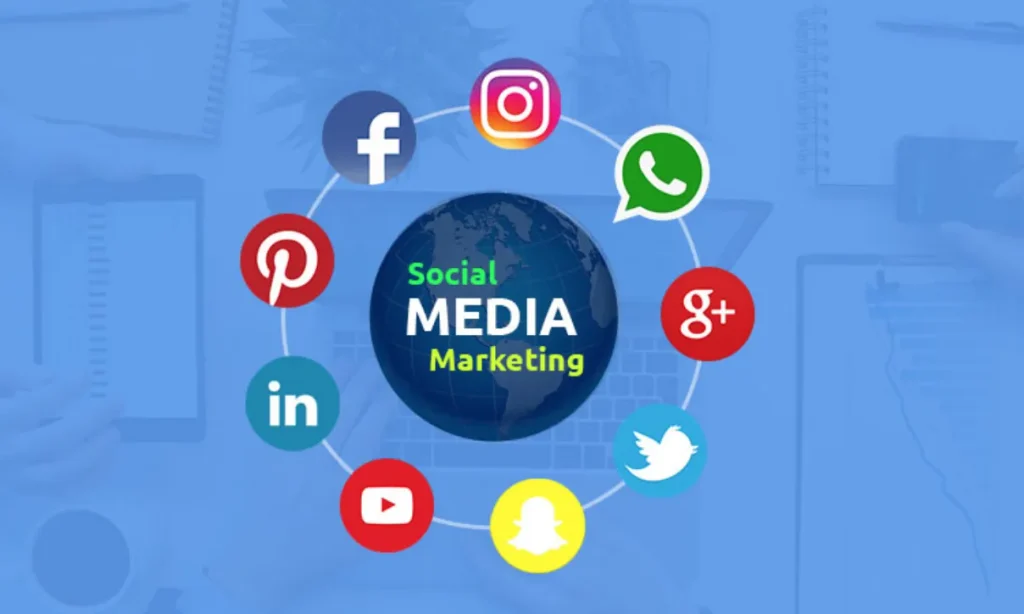
Social media marketing is the process of promoting a brand, product or service through platforms such as Instagram, Facebook, LinkedIn, YouTube and other social networks.
With millions of people using social media every day, businesses have an opportunity to connect directly with their target audiences.
In 2026, successful social media marketing requires more than regularly uploading posts. Marketers need to understand audience behaviour, content strategy, platform algorithms and engagement.
Why is social media marketing important?
It helps businesses:
- Increase brand awareness.
- Build relationships with customers.
- Promote products and services.
- Drive traffic to websites.
- Generate leads and sales.
- Create an online community.
Important social media marketing skills
- Social media strategy development.
- Instagram and Facebook management.
- Content planning.
- Audience engagement.
- Reels and short-form video strategy.
- Social media analytics.
- Community management.
Example: A local clothing boutique can use Instagram Reels, product photography, customer testimonials and promotional campaigns to attract potential buyers.
Tools to explore: Meta Business Suite, Canva, Buffer and Later.
4. Paid Advertising (Google Ads and Meta Ads)
Paid advertising is one of the most effective ways for businesses to reach specific audiences and generate targeted traffic.
Unlike organic marketing, where results may take time, paid campaigns can help businesses gain visibility much faster when they are properly planned and optimized.
Two important advertising platforms are Google Ads and Meta Ads.
Google Ads
Google Ads allows businesses to display advertisements when people search for relevant products or services.
For example, someone searching for “best digital marketing agency near me” may see sponsored search results from marketing agencies.
Meta Ads
Meta Ads allows businesses to advertise across Facebook, Instagram, Messenger and other supported placements.
Businesses can use audience targeting to reach people based on available demographic, interest and behavioural signals.
Important paid advertising skills
- Campaign creation and management.
- Audience targeting.
- Keyword selection.
- Budget management.
- Ad copywriting.
- Conversion tracking.
- Campaign performance analysis.
- A/B testing.
Example: A real estate company can run Meta Ads to promote new apartment projects and collect enquiries from interested buyers.
Tools to explore: Google Ads, Meta Ads Manager, Google Tag Manager and Google Analytics 4.
5. Content Marketing and Copywriting
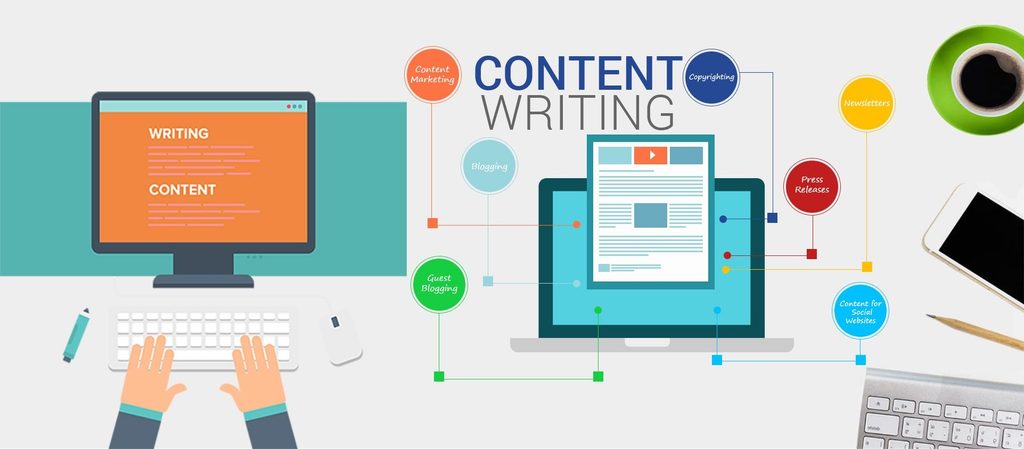
Content marketing focuses on creating and distributing useful, relevant and engaging content to attract and retain a clearly defined audience.
Content can take many forms, including blog articles, videos, infographics, social media posts, email newsletters and guides.
Copywriting is closely related but focuses more specifically on writing persuasive content that encourages readers to take action.
Why are these skills important?
Customers often research a brand before making a purchase. Helpful content allows businesses to educate potential customers, answer their questions and build trust.
Important content marketing skills
- Blog writing.
- SEO content writing.
- Storytelling.
- Copywriting.
- Content research.
- Headline writing.
- Content strategy.
- Editing and proofreading.
Example: A skincare brand can publish educational articles about skincare routines, ingredient benefits and product selection to attract readers and introduce its products naturally.
Tools to explore: Grammarly, ChatGPT, Google Docs and Hemingway Editor.
6. Data Analytics and Performance Tracking

Digital marketing is not only about creating campaigns. Marketers also need to understand whether those campaigns are producing meaningful results.
Data analytics helps businesses measure performance, identify customer behaviour and improve their marketing strategies.
Instead of making decisions based on assumptions, marketers can use actual performance data to understand what is working and what needs improvement.
Important marketing metrics
- Website traffic.
- Click-through rate (CTR).
- Conversion rate.
- Cost per click (CPC).
- Cost per acquisition (CPA).
- Return on ad spend (ROAS).
- Customer acquisition cost (CAC).
- Engagement rate.
Important analytics skills
- Understanding marketing reports.
- Tracking website visitors.
- Measuring campaign performance.
- Identifying audience behaviour.
- Creating performance dashboards.
- Interpreting data and making decisions.
Example: An online store can use Google Analytics 4 to understand which marketing channels bring visitors, which pages receive attention and where customers leave before completing a purchase.
Tools to explore: Google Analytics 4, Google Search Console, Looker Studio and Microsoft Excel.
7. Website Design and Landing Page Optimization

A business website is often the first impression a potential customer has of a brand. A professional, user-friendly website can help businesses establish credibility and encourage visitors to explore their products or services.
Website design and landing page optimization are valuable skills because marketing campaigns need effective destinations where visitors can take action.
What makes a good landing page?
- Clear and attractive headlines.
- Professional visual design.
- Easy navigation.
- Mobile-friendly layouts.
- Relevant content.
- Strong calls to action.
- Fast loading speed.
- Trust-building elements.
Important website design skills
- WordPress website development.
- Landing page creation.
- Basic UI/UX principles.
- Responsive website design.
- Website speed optimization.
- Conversion rate optimization (CRO).
- Basic HTML and CSS knowledge.
Example: A digital marketing agency can create a landing page highlighting its services, client benefits and contact information, with a clear “Get a Free Consultation” button.
Tools to explore: WordPress, Brizy, Elementor, Canva and Google PageSpeed Insights.
8. Email Marketing and Automation

Email marketing remains a useful channel for building customer relationships, sharing updates and encouraging repeat purchases.
It allows businesses to communicate directly with people who have chosen to receive their messages.
When combined with automation, email marketing can save time and deliver relevant messages based on customer actions.
Why is email marketing important?
- Builds long-term customer relationships.
- Promotes products and services.
- Shares company updates.
- Supports customer retention.
- Helps nurture potential leads.
- Encourages repeat purchases.
Important email marketing skills
- Email campaign creation.
- Newsletter writing.
- Audience segmentation.
- Email copywriting.
- Automated email sequences.
- Performance tracking.
- A/B testing.
Example: An online education platform can send automated welcome emails to new subscribers, followed by useful learning resources and course information.
Tools to explore: Mailchimp, Brevo, HubSpot and MailerLite.
9. Video Marketing and Short-Form Video Editing
Video has become a powerful way for brands to communicate their messages and capture audience attention.
Platforms such as Instagram, YouTube and Facebook provide opportunities for businesses to share product demonstrations, educational videos, customer stories and behind-the-scenes content.
Short-form videos are particularly useful for delivering information quickly and engaging viewers.
Important video marketing skills
- Short-form video editing.
- Video scripting.
- Storyboarding.
- Creating engaging hooks.
- Adding subtitles and captions.
- Video storytelling.
- Understanding video performance metrics.
Example: A digital marketing agency can create 30-second Instagram Reels explaining SEO tips, website mistakes or social media strategies to attract potential clients.
Tools to explore: CapCut, Canva, Adobe Premiere Pro and VN Video Editor.
10. Personal Branding and Strategic Communication

Personal branding is the process of building a recognizable professional identity by showcasing your expertise, skills, knowledge and values.
In a competitive digital environment, businesses and professionals need to communicate what makes them different.
A strong personal brand can help freelancers, consultants, entrepreneurs and marketing professionals build trust and attract opportunities.
Why is personal branding important?
- Builds professional credibility.
- Helps attract potential clients.
- Creates networking opportunities.
- Demonstrates expertise.
- Improves professional visibility.
- Helps establish industry authority.
Important personal branding skills
- Professional communication.
- Storytelling.
- LinkedIn profile optimization.
- Networking.
- Thought leadership.
- Presentation skills.
- Strategic content creation.
Example: A freelance SEO specialist can regularly share practical SEO tips, case studies and industry insights on LinkedIn to demonstrate expertise and connect with potential clients.
Tools to explore: LinkedIn, Canva, Buffer and Notion.
How to Start Learning Digital Marketing Skills in 2026
You do not need to master all ten skills at once. The best approach is to start with the fundamentals and gradually develop practical experience.
Here is a simple learning roadmap for beginners.
Step 1: Understand the fundamentals
Learn what digital marketing is, how different marketing channels work and how businesses attract customers online.
Step 2: Choose your core skills
Start with SEO, social media marketing, content creation and basic analytics. These provide a useful foundation.
Step 3: Learn the tools
Explore platforms such as Canva, WordPress, Google Analytics, Google Search Console and Meta Business Suite.
Step 4: Work on practical projects
Create a sample website, write SEO-friendly blog articles, design social media posts and develop a sample advertising campaign.
Step 5: Build a professional portfolio
Showcase your projects, campaign strategies, designs and results. A portfolio helps potential employers and clients understand your abilities.
Step 6: Keep learning
Digital marketing changes frequently. Follow industry updates, experiment with new tools and improve your skills through practical experience.
Career Opportunities in Digital Marketing
Learning digital marketing skills can open doors to different career paths.
Some popular roles include:
| Job Role | Main Responsibility |
|---|---|
| SEO Specialist | Improving search engine visibility |
| Social Media Manager | Managing social media accounts |
| Digital Marketing Executive | Supporting marketing campaigns |
| Performance Marketer | Managing paid advertising campaigns |
| Content Strategist | Planning content strategies |
| Email Marketing Specialist | Managing email campaigns |
| Digital Marketing Analyst | Measuring marketing performance |
| Website Designer | Creating business websites |
| Freelance Digital Marketer | Providing marketing services to clients |
| Digital Marketing Consultant | Advising businesses on marketing strategies |
You can explore opportunities in digital marketing agencies, startups, established companies or freelance businesses.
Conclusion
Digital marketing in 2026 offers exciting opportunities for people who are willing to learn, experiment and adapt to changing technology.
Skills such as SEO, artificial intelligence, social media marketing, paid advertising, content creation and data analytics are valuable because they help businesses improve their online presence and achieve measurable results.
However, learning tools alone is not enough. Successful digital marketers combine technical knowledge with creativity, communication, analytical thinking and practical experience.
If you are planning to build a career in digital marketing, start with a few essential skills, work on real-world projects and gradually expand your expertise.
The future belongs to marketers who know how to combine technology, creativity and strategy to deliver real business results.
Frequently Asked Questions (FAQs)
1. Which digital marketing skill is most in demand in 2026?
SEO, AI-powered marketing, performance advertising, social media marketing and data analytics are valuable skills. The best skill depends on the business goals and the role you want to pursue.
2. Is digital marketing a good career in 2026?
Yes. Digital marketing offers career opportunities across industries, including e-commerce, education, technology, healthcare, real estate and retail. Your opportunities will depend on your skills, experience and ability to demonstrate results.
3. Can beginners learn digital marketing without coding?
Yes. Many digital marketing activities, including SEO, social media management, content creation and paid advertising, can be learned without programming. Basic technical knowledge can still be helpful.
4. How long does it take to learn digital marketing?
You can learn the fundamentals in a few months with consistent practice. Becoming proficient in individual areas requires continued learning and hands-on experience.
5. Which digital marketing tools should beginners learn first?
Beginners can start with Canva, Google Analytics 4, Google Search Console, WordPress, Meta Business Suite and ChatGPT.
6. Can I become a freelancer after learning digital marketing?
Yes. You can offer services such as social media management, SEO, content creation, website design and advertising campaign management. Start with sample projects and build a portfolio before approaching clients.
Ready to Grow Your Business Online?
At DigiReach, we believe that the right digital strategy can help businesses build a stronger online presence.
From SEO and social media marketing to paid advertising, creative content and website design, our goal is to help businesses connect with the right audience and grow online.
Want to take your business to the next level?
[Contact DigiReach] – Let’s build your digital growth strategy together.
Article published by: DigiReach.online
Category: Digital Marketing
Last Updated: November 2026